Building Engagement: Getting Your Dog to Want to Work With You
What Is Engagement, and Why Does It Matter?
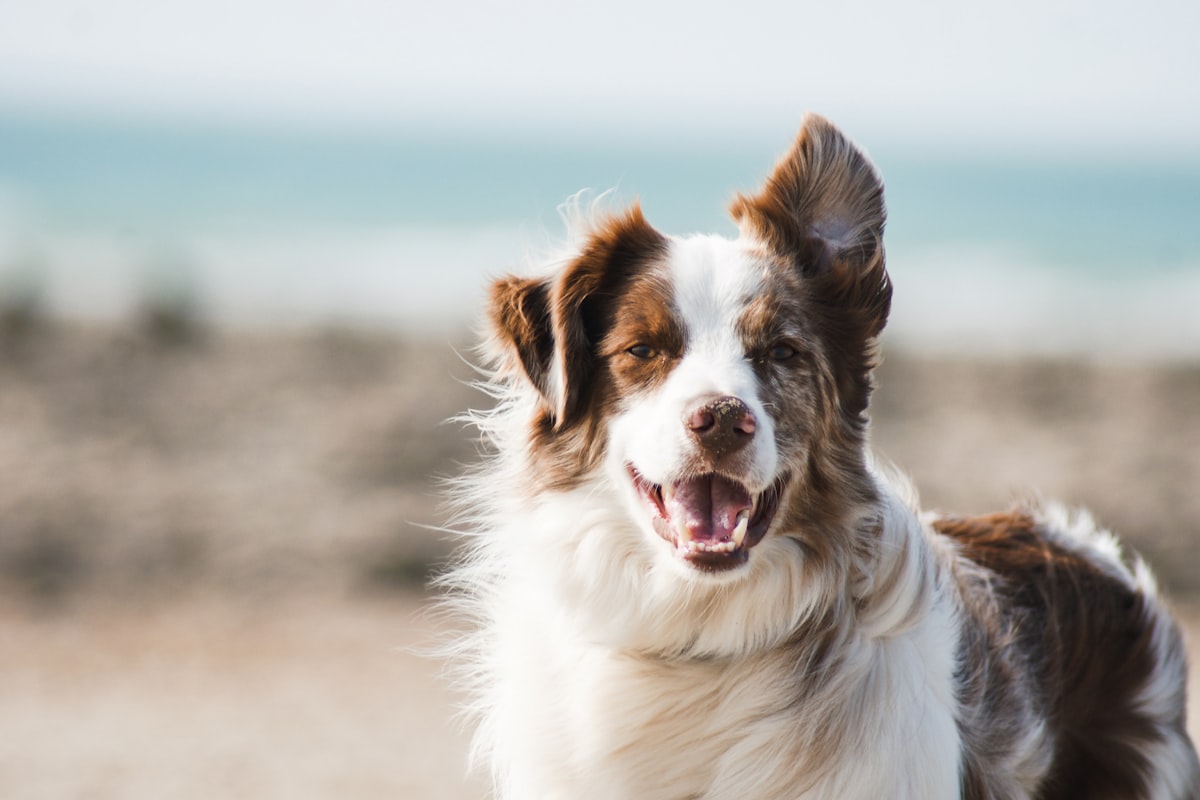
Watch a dog who genuinely wants to work with their handler. Their body is loose, their attention drifts back to you even when you haven't asked for it, and they seem to treat a training session like the best part of their day. Now watch a dog who has been pushed, corrected, or drilled into compliance. The behaviors might look similar on the surface, but something is missing — that spark of voluntary participation.
Engagement is that spark. It isn't a behavior you can put on cue. It's a relationship quality: your dog choosing, over and over, to orient toward you and invest in whatever you're doing together. Building it is one of the most valuable things you can do in training, and it happens long before you teach a single formal cue.
The Difference Between Compliance and Cooperation
A dog can learn to sit, stay, and heel without ever truly wanting to engage with you. Repetition, pressure, and the removal of discomfort can all produce reliable behaviors. But that reliability has a ceiling. Under stress, in a distracting environment, or the moment the pressure lifts, the behaviors tend to fall apart.
Cooperation is different. When your dog finds working with you intrinsically valuable — because it predicts good things and feels good — their behavior becomes more resilient. They're not performing for you; they're performing with you. That's a meaningful distinction, and it's worth building from the ground up.
Reinforcement Builds Value
At the heart of engagement training is a simple idea: your presence and attention need to mean something to your dog. Reinforcement is how you build that meaning.
This doesn't just mean delivering a treat after a correct behavior. It means being generous, being fun, and being the source of things your dog loves. High-value food, access to toys, the chance to sniff something interesting, enthusiastic praise if your dog finds it rewarding — all of these can be used to build a bank of positive associations with you and with training.
Pay particular attention to the moments your dog offers attention without being asked. When your dog glances up at you on a walk, mark and reward it. When they check in after investigating something, reward that too. You're teaching them that orienting toward you pays off, which makes them more likely to do it again.
Play Is Not a Luxury
Play is often treated as a reward to slot in after the "real" training. In engagement work, that framing gets flipped. Play is the training.
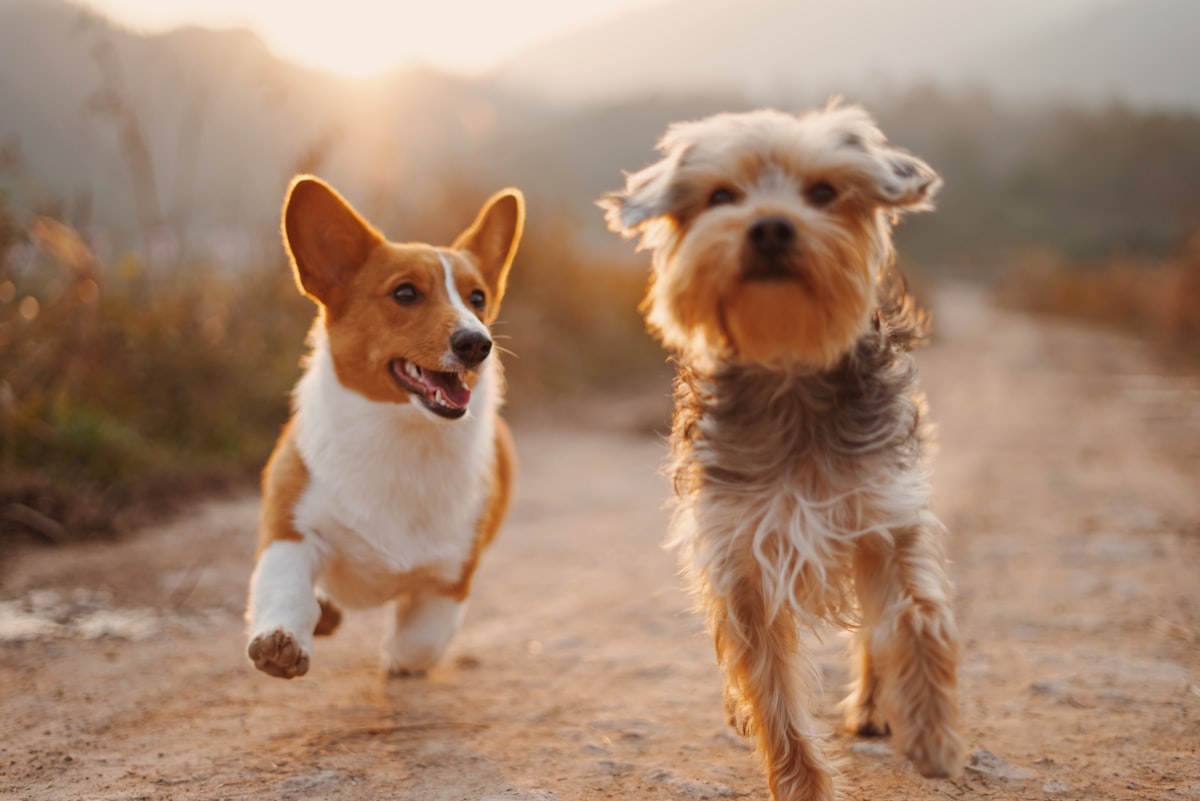
Interactive play — tug, chase, fetch — builds a shared activity between you and your dog that is genuinely enjoyable for both parties. It teaches your dog that you're not just a vending machine for kibble; you're a fun, responsive partner. It also gives you a currency that many dogs find more motivating than food, especially in high-distraction environments.
If your dog doesn't already have a strong play drive with you, that's something you can develop gradually. Start with low-pressure sessions, experiment with different toys, and try varying your movement and energy. Some dogs need time to learn that play with a human is worth engaging in — and that's okay. Meet your dog where they are.
Structure That Invites Rather Than Demands
There's a useful concept in training sometimes called "the rule of silence": before a cue is given, the dog is free to make choices. Those choices become information. A dog who voluntarily comes closer, makes eye contact, or offers a previously learned behavior is signaling readiness to work. That's the moment to train.
Contrast this with drilling a dog through repetition regardless of their mental state. Forcing a dog to continue when they're disengaged, stressed, or simply not in the mood erodes the relationship over time. Keeping sessions short, ending on a high note, and reading your dog's body language honestly will do more for long-term engagement than any amount of sheer repetition.
If you're not sure how to read your dog's signals or where to start with building a training foundation, taking a quick quiz to assess your dog's learning style and training needs can help you identify a practical starting point.
Patience as a Training Tool
Building engagement takes time, and it can feel slow when you're eager to work on specific behaviors. But the investment pays forward. A dog who genuinely wants to be with you is easier to teach, more reliable under pressure, and more forgiving of the inevitable mistakes every handler makes.
Avoid the temptation to interpret a disengaged dog as stubborn, dominant, or difficult. More often, disengagement is feedback: the training isn't motivating enough, the session is too long, or the environment is too overwhelming. Treat it as information, adjust accordingly, and keep showing your dog that working with you is worth their while.
Engagement isn't something you demand. It's something you earn — and the process of earning it is what makes the partnership worthwhile.
References
Vieira de Castro, A. C., Fuchs, D., Morello, G. M., Pastur, S., de Sousa, L., & Olsson, I. A. S. (2020). Does training method matter? Evidence for the negative impact of aversive-based methods on companion dog welfare. PLOS ONE, 15(12), e0225023.
Ziv, G. (2017). The effects of using aversive training methods in dogs—A review. Journal of Veterinary Behavior, 19, 50–60.
Take it further
Ready for a complete step-by-step program?
Pup Class has full reward-based training courses for leash reactivity, separation anxiety, recall and more — all built from the research you just read about.
Get your complete reward-based plan on Pup Class →